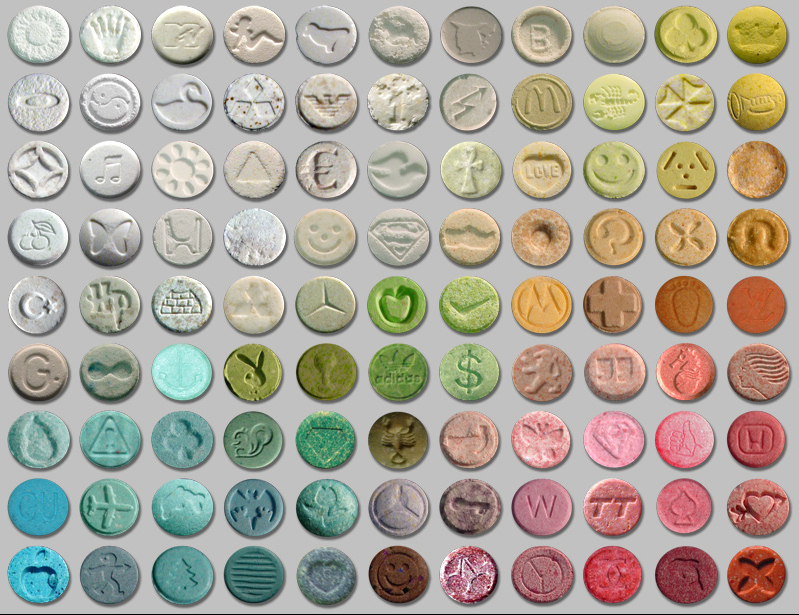
love drugs

How to deal with double-edged technology

By Brian D. Earp

 World’s smallest drone? Or how to deal with double-edged technology 

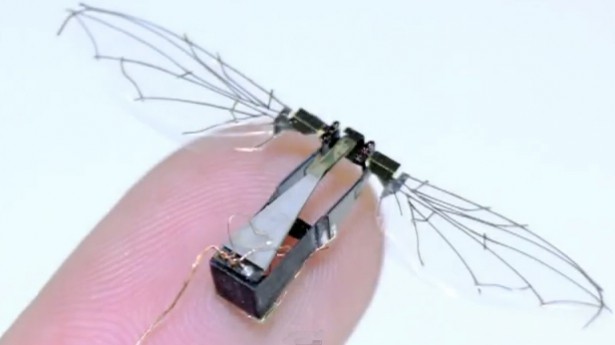
BBC News reports that Harvard scientists have developed the world’s smallest flying robot. It’s about the size of a penny, and it moves faster than a human hand can swat. Of course, the inventors of this “diminutive flying vehicle” immediately lauded its potential for bringing good to the world:

1. “We could envision these robots being used for search-and-rescue operations to search for human survivors under collapsed buildings or [in] other hazardous environments.”

2. “They [could] be used for environmental monitoring, to be dispersed into a habitat to sense trace chemicals or other factors.”

3. They might even behave like many real insects and assist with the pollination of crops, “to function as the now-struggling honeybee populations do in supporting agriculture around the world.”

These all seem like pretty commendable uses of a new technology. Yet one can think of some “bad” uses too. The “search and rescue” version of this robot (for example) would presumably be fitted with a camera; and the prospect of a swarm of tiny, remote-controlled flying video recorders raises some obvious questions about spying and privacy. It also prompts one to wonder who will have access to these spy bugs (the U.S. Air Force has long been interested in building miniature espionage drones), and whether there will be effective regulatory strategies capable of tilting future usage more toward the search-and-rescue side of things, and away from the peep-and-record side.

Continue reading

Brief announcement: Interview about ‘love drugs’ on “Q” with Jian Ghomeshi

By Brian D. Earp

Interview announcement

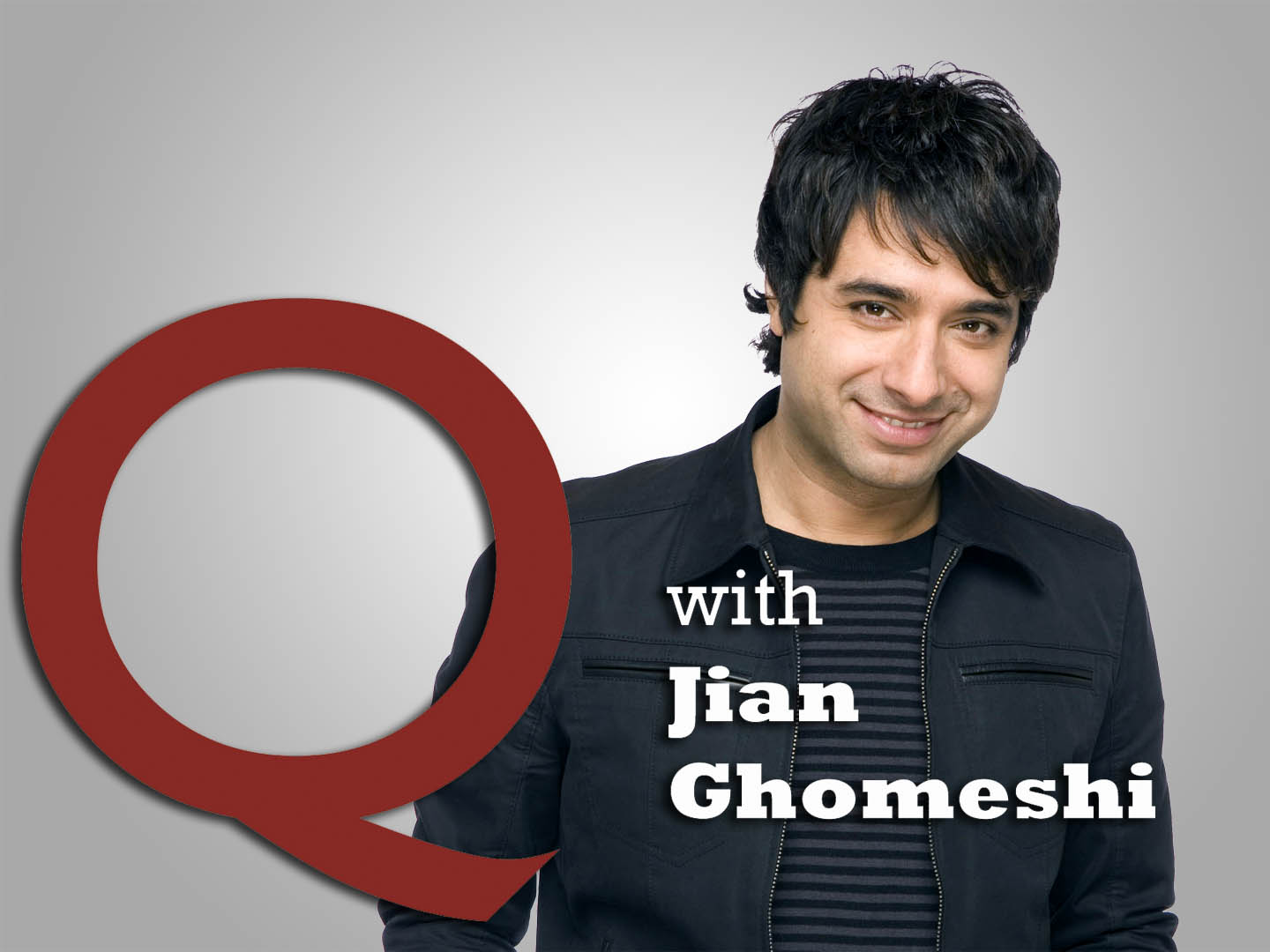
This is a brief note to alert the readers of Practical Ethics that research by myself, Anders Sandberg, and Julian Savulescu on the potential therapeutic uses of “love drugs” and “anti-love drugs” has recently been featured in an interview for the national Canadian broadcast program, “Q” with Jian Ghomeshi (airing on National Public Radio in the United States).

Here is a link to the interview.

Readers may also be interested in checking out a new website, “Love in the Age of Enhancement” which collects the various academic essays, magazine articles, and media coverage of these arguments concerning the neuroenhancement of human relationships.

Continue reading

The ethics of a chemical break-up

 UPDATE: AUDIO NOW AVAILABLE HERE.

Forthcoming talk: If I could just stop loving you: Anti-love biotechnology and the ethics of a chemical break-up

Date & Time: 30th Nov 2012 4:00pm-5:30pm
Description:

Abstract:  “Love hurts” – as the saying goes – and a certain degree of pain and difficulty in intimate relationships is unavoidable. Sometimes it may even be beneficial, since, as it is often argued, some types (and amounts) of suffering can lead to personal growth, self-discovery, and a range of other essential components of a life well-lived. But other times, love is downright dangerous. Either it can trap a person in a cycle of violence, as in some domestic abuse cases, or it can prevent a person from moving on with her life or forming healthier relationships. There other cases of problematic love as well:

Continue reading

Should you take ecstasy to improve your marriage? Not so fast …

Love drugs and science reporting in the media: Setting the record straight 

By Brian D. Earp, Julian Savulescu, and Anders Sandberg

Love. It makes the world go round. It is the reason we have survived as a species. It is the subject of our art, literature, and music—and it is largely the product of chemical reactions within the brain.

No wonder science is starting to unravel the ways in which we can influence it, and perhaps even control it.

Just as Darwin’s finding that we are descended from apes shocked people in the nineteenth century, so people will be shocked to find that our most lofty social ideal is something we share with our mammalian cousins and which is the subject of scientific scrutiny and even chemistry-book manipulation.

In 2008, two of us (Julian Savulescu and Anders Sandberg) published an article in the journal Neuroethics on the topic of “love drugs” – a term we use to refer to pharmacological interventions based on existing and future bio-technologies that could work to strengthen the bond between romantic partners. All three of us have an article just published in the journal Philosophy & Technology in which we build upon that earlier work. Interested readers will take the time to study those papers in full, but we have a feeling that much of the population will stop at a handful of media reports that have recently summarized our ideas, including at least one article that we think has the potential to mislead. Let us set the record straight.

Continue reading

Authors

Affiliations